
Smart glasses have officially moved from sci-fi movie props to a real, growing, and genuinely exciting category of tech. But what are they, really? Are they just headphones for your face? A camera for your eyes? Can they replace your phone?
If you’re in India and curious about stepping into the world of smart eyewear, this guide is for you. We’ll cut through the hype, explain the technology, and help you understand what to look for in 2025.
What Are Smart Glasses and How Do They Work?
At their core, smart glasses are wearable tech that combines several functions into a normal-looking pair of glasses. Most models on the Indian market today are “companion devices”, meaning they connect to your smartphone via Bluetooth to enable their features. These core functions usually include:
- Open-Ear Audio: Listen to music, podcasts, or audiobooks through tiny speakers in the frames, without blocking your ears. This is a game-changer for staying aware of your surroundings.
- Hands-Free Calling: Take phone calls directly through your glasses’ built-in microphone and speakers.
- Voice Assistant: Access Google Assistant or Siri with a voice command or a tap on the frame.
The market is also seeing the rise of AI Glasses. These are the next evolution, integrating artificial intelligence directly into the device for advanced features like real-time language translation. A prime example is the AI Smart Glasses with Chat GPT, which brings the power of a chatbot to your eyewear.
While big international names like Ray-Ban (in partnership with Meta) are major players, the Indian market is buzzing with fantastic and accessible options. Brands like Fastrack and OAKTER offer stylish and functional eyewear at great prices. For an affordable entry point, the bestselling pTron Orbis Neo Smart Glasses are a great way to try out the core features.
Beyond the Basics: From Filming Your Life to a Private Cinema
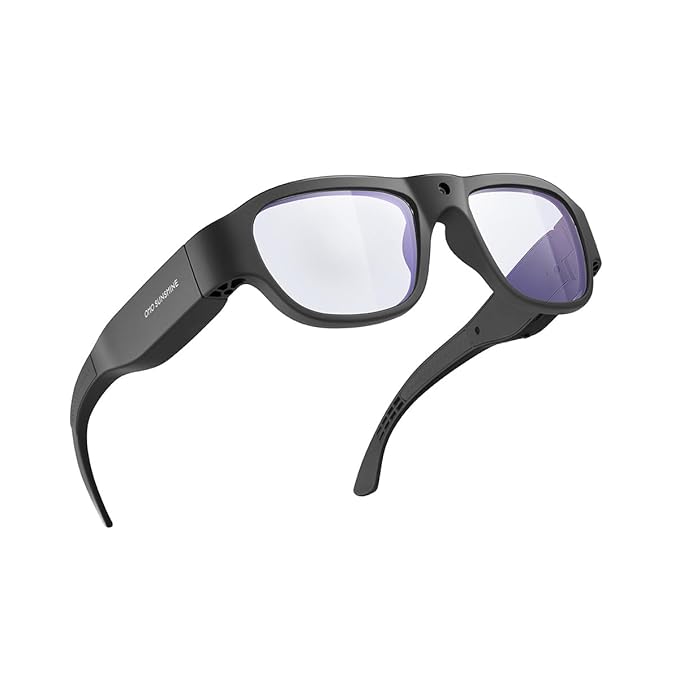
Many smart glasses go beyond just audio and calls. A common feature is an integrated camera for taking photos and videos from your point of view. For those focused on capturing life hands-free, glasses like the OhO sunshine HD 1080p Video Recording Sunglasses are specifically built for high-quality recording. While you can stream this POV video on a call, it’s important to note that most smart glasses don’t have a screen to show you the other person’s video.
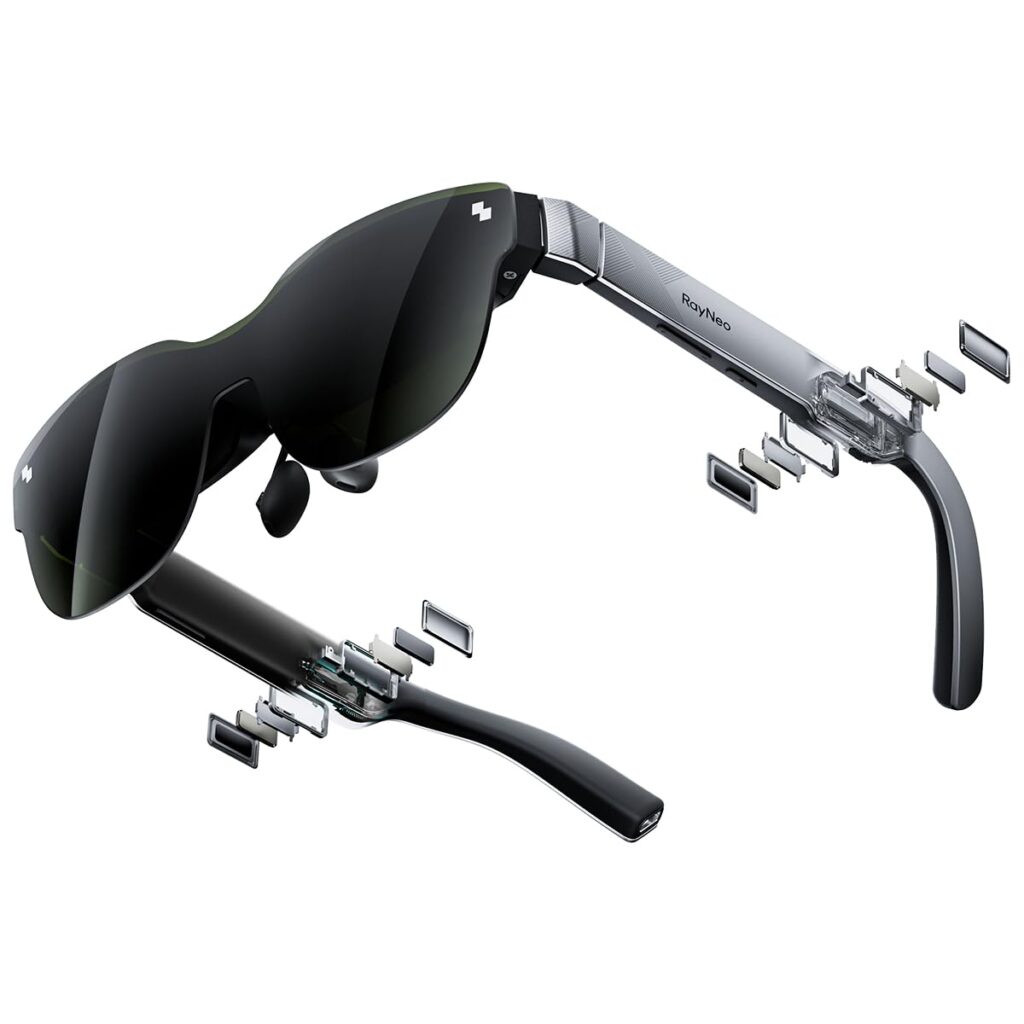
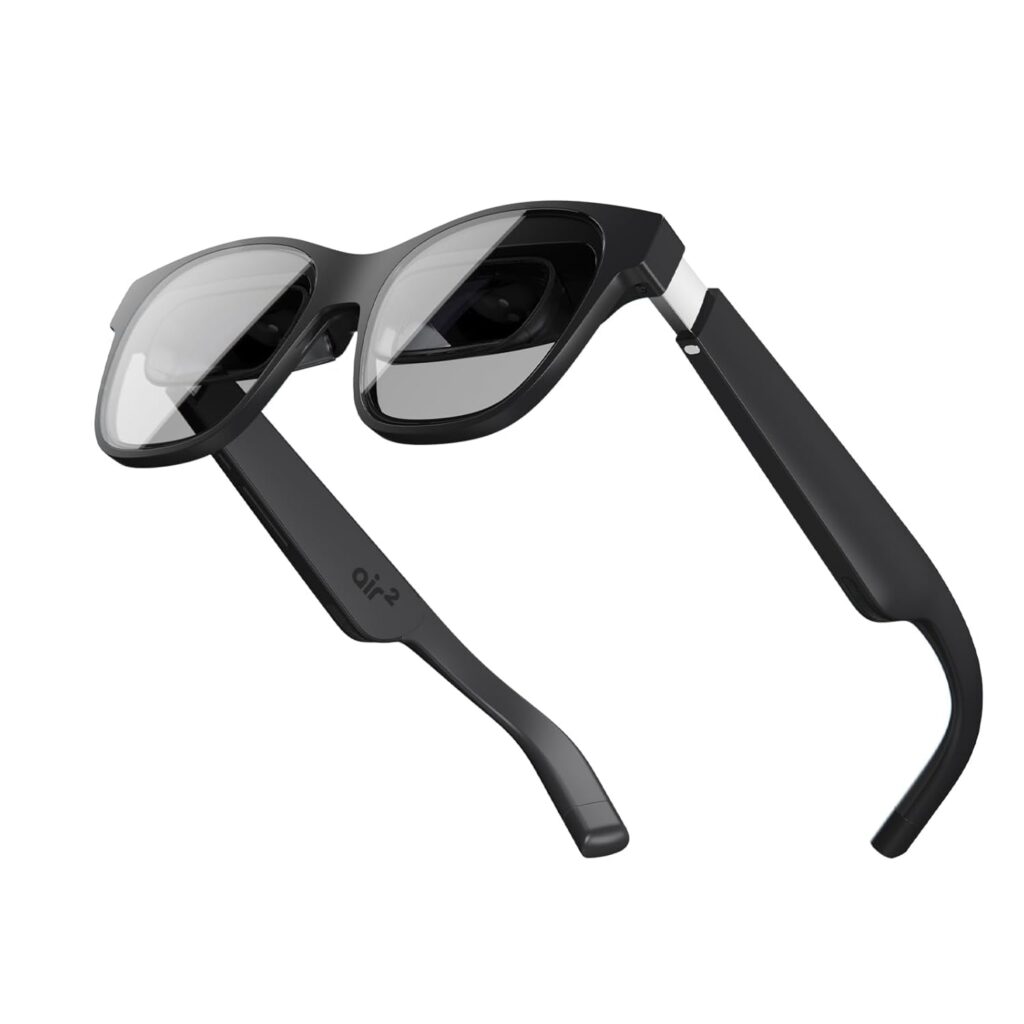
However, if watching content is your main goal, you’ll want to look at a specific category: AR (Augmented Reality) Glasses. These “wearable displays” are designed to project a huge, high-definition virtual screen in front of your eyes, creating a private theater experience. They are fantastic for watching Netflix, playing games, or even as a private monitor for your laptop. The leading products in this category are the RayNeo Air 3s XR Glasses and the XREAL Air 2 AR Smart Glasses.
The Practical Side: Living with Smart Glasses Day-to-Day
Before you buy, it’s important to understand the practicalities. Since smart glasses rely on a Bluetooth connection to your phone, they cannot replace your smartphone… yet. Think of them as a powerful accessory.
Thankfully, most major brands design their frames to be compatible with prescription lenses, a crucial feature for many users. Battery life typically ranges from 4 to 6 hours of mixed use, but nearly all models come with a charging case that provides multiple recharges, easily getting you through the day.
The price range is vast. You can get started for under ₹1,000 with a model like the pTron Orbis Neo, while premium lifestyle models like the Ray-Ban Meta are more expensive. High-end AR glasses can cost as much as a high-end smartphone. Today’s products have learned from the failure of the original Google Glass, focusing on discreet, stylish designs and clear use cases instead of high costs and privacy issues.
Safety, Legality, and Privacy: What to Know Before You Buy
From a vision standpoint, smart glasses are as safe for your eyes as any standard pair of glasses. In fact, their open-ear audio design is often considered safer than in-ear headphones. Remember to practice good screen hygiene with the 20-20-20 rule: every 20 minutes, take a 20-second break to look at something 20 feet away.
While owning smart glasses is legal, the biggest risk is privacy. Using them to record people in private spaces without their consent is a serious ethical and legal issue. Be responsible and respectful. Most camera glasses have an LED light to indicate when they are recording. You can usually spot smart glasses by their thicker-than-usual arms (where the electronics are housed) and the small camera lens on the frame.
Understanding the Indian Eyewear Market
When it comes to buying glasses in India, Lenskart is undoubtedly one of the largest online players. However, legacy brands like Titan Eyeplus also have a strong presence. For those who prioritise lens quality above all else, a ZEISS-supported website like specslounge.com is a fantastic option, offering international frames with authentic German lenses. For online purchases from international retailers, SmartBuyGlasses is a well-known, legitimate option that is part of the Motion Global group.
Our Top 5 Picks: The Best Smart Glasses in India for 2025
The market is crowded, so we’ve narrowed it down to five top contenders that excel in different categories. This isn’t just about what’s popular; it’s about what delivers the best experience for its price.
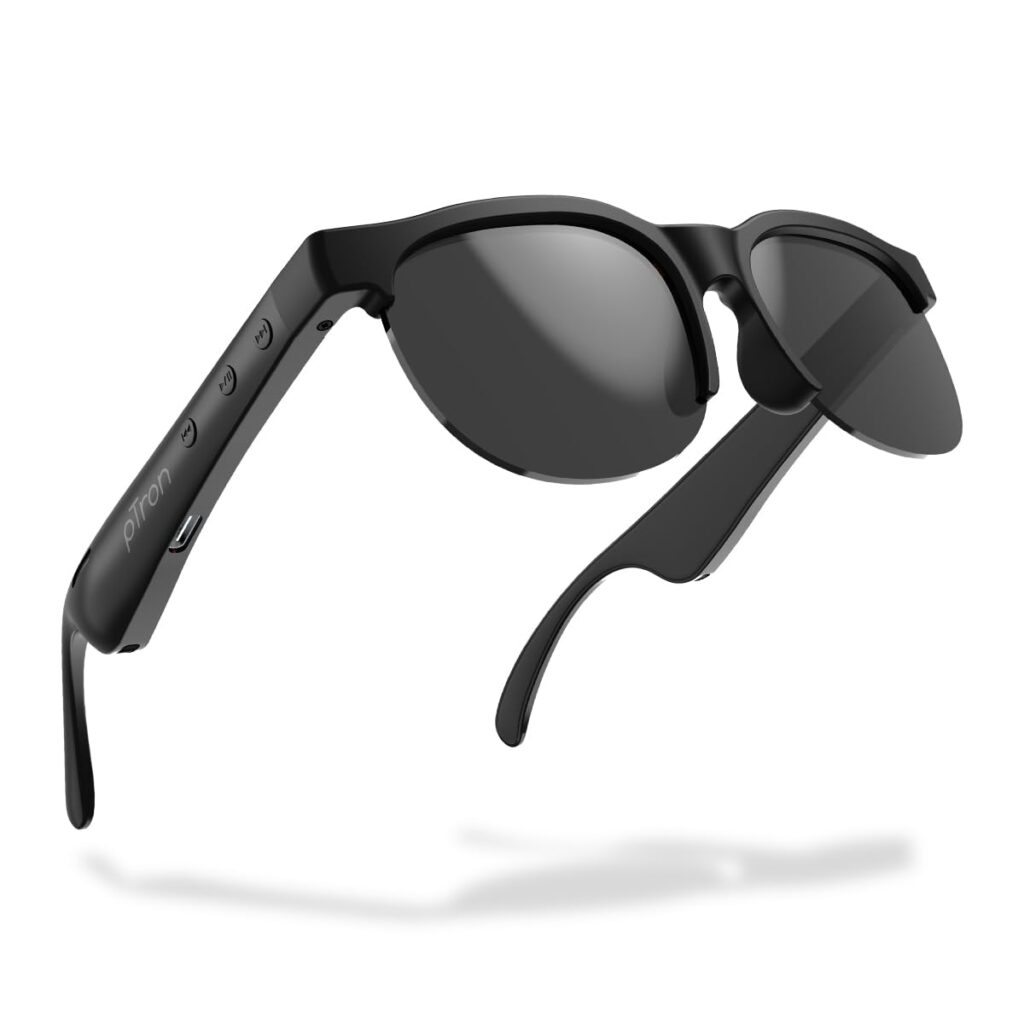
1. pTron Orbis Neo: The Budget Champion For anyone curious about smart glasses but hesitant to spend a lot, the pTron Orbis Neo is the perfect starting point. It’s the #1 bestseller on Amazon.in for a reason: it delivers the core features—open-ear music and hands-free calls—at an unbeatable price. It’s a fantastic, low-risk way to see if smart eyewear fits your lifestyle.
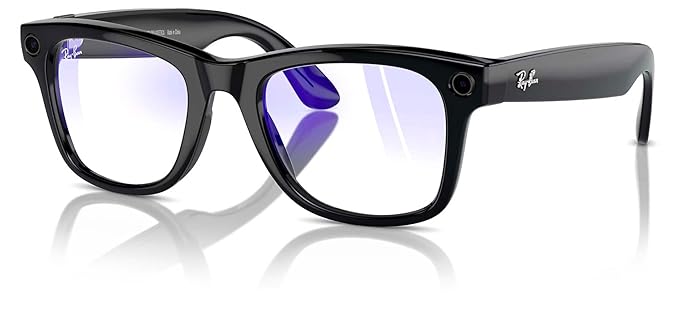
2. Ray-Ban Meta Smart Glasses: The Style Icon When it comes to looks, nothing beats the classic Ray-Ban design. These glasses, made in partnership with Meta, seamlessly integrate a high-quality camera and rich audio into the iconic Wayfarer frame. They are for the person who wants powerful tech without sacrificing style. They are a premium choice, but they represent the most polished and socially acceptable smart glasses on the market.
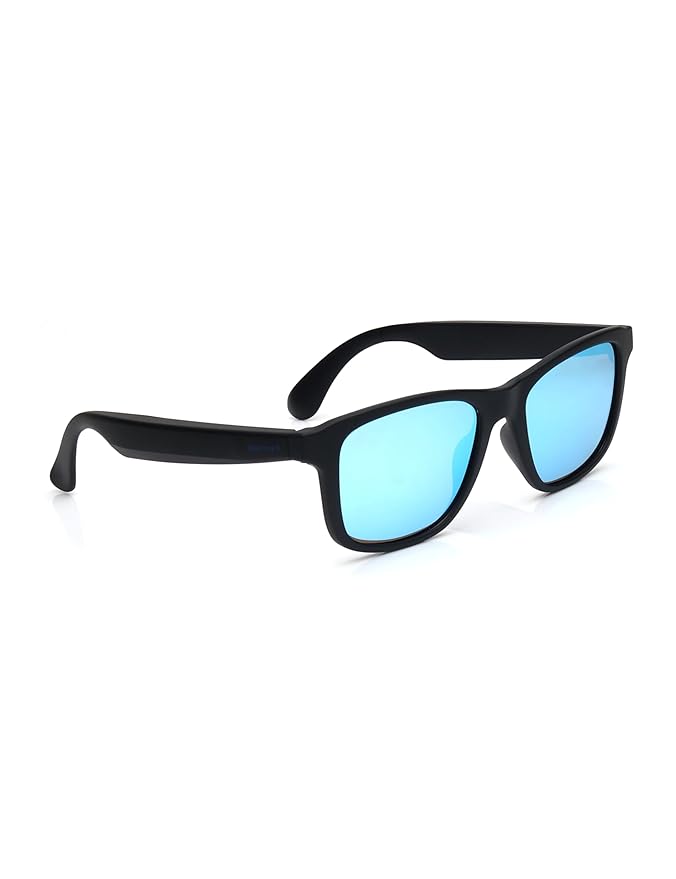
3. Fastrack Vibes 4.0 Sunglasses: The All-Rounder Fastrack, a brand beloved in India, hits the sweet spot with the Vibes 4.0. They are stylish, packed with features like navigation and voice assistant, and priced competitively. They offer a significant step up from basic models without the premium price tag of the Ray-Ban Meta, making them a superb all-around choice for the Indian consumer.
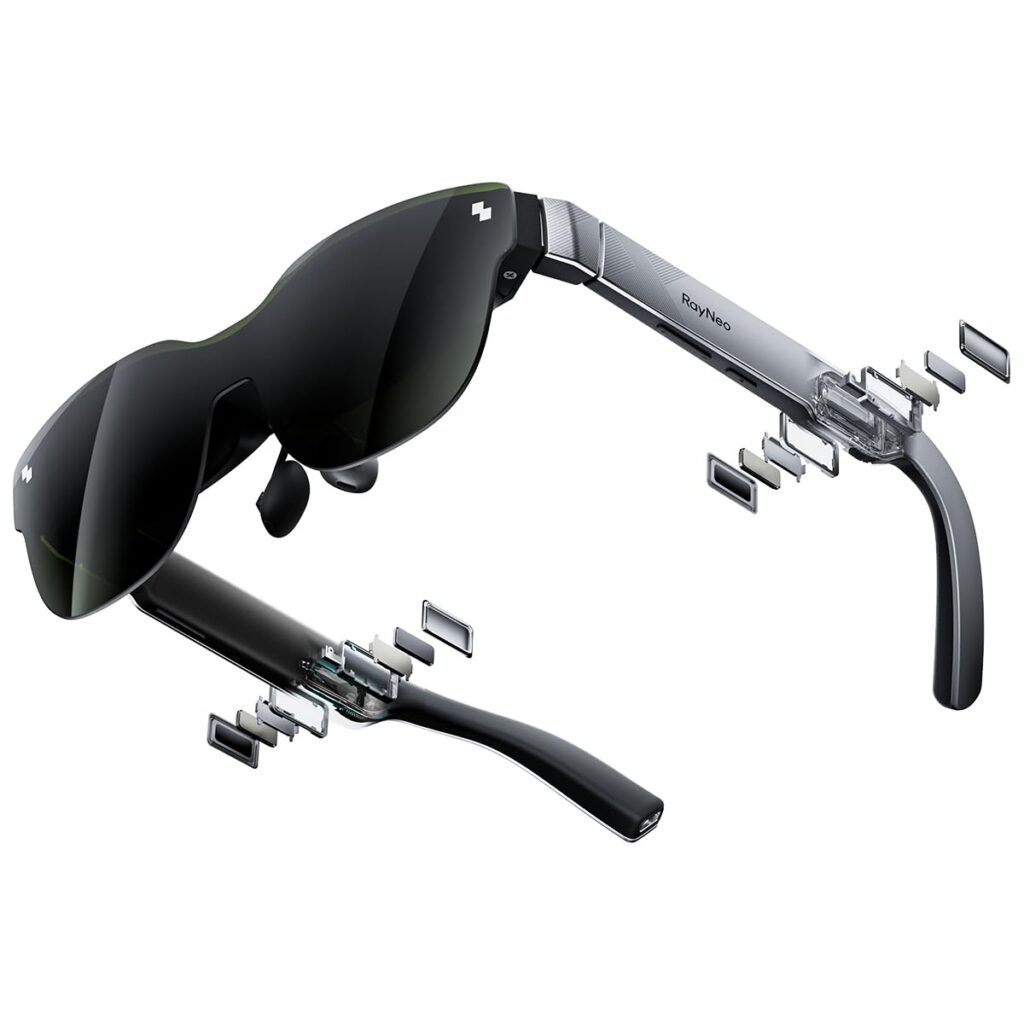
4. RayNeo Air 3s XR Glasses: The Personal Movie Theater These aren’t just smart glasses; they’re a wearable display. The RayNeo Air 3s projects a massive 201-inch virtual screen in front of your eyes, making them perfect for watching movies, playing games on a Switch or Steam Deck, or even as a private monitor for work. For media consumption, this is the future, and the experience is unmatched.
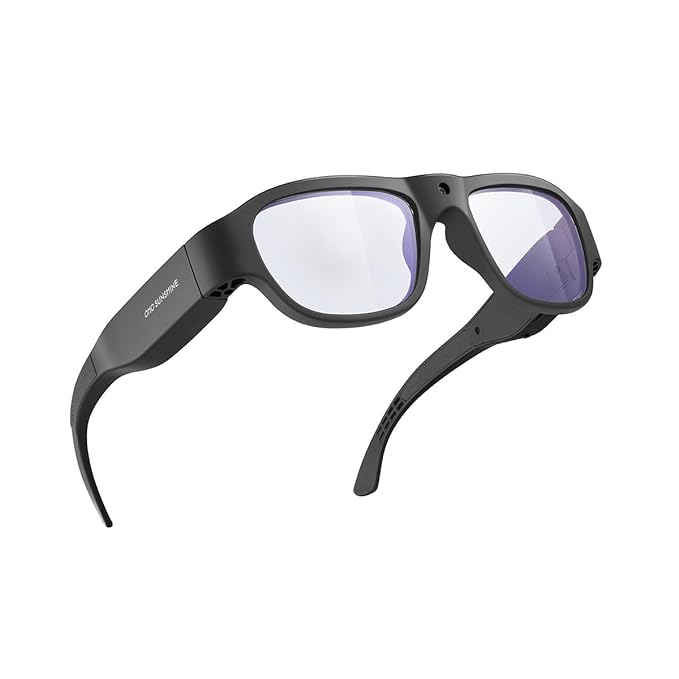
5. OhO sunshine HD Sunglasses: The POV Camera While many smart glasses have a camera, the OhO sunshine HD makes it the star of the show. If your main goal is to capture high-quality, hands-free 1080p video from your own point of view—for vlogging, sports, or just capturing memories—this is the pair to get. It’s less about smart features and more about being a dedicated, convenient camera.
Final Verdict: Are Smart Glasses Worth It in 2025?
Smart glasses have finally found their footing. They are no longer a gimmick but a genuinely useful category of wearable tech.
- If you’re a tech enthusiast who loves convenience, or someone who wants to listen to music and take calls without anything in your ears, a pair of smart glasses is absolutely worth it.
- If you’re a movie lover or a serious gamer, AR glasses like the RayNeo or XREAL offer an unparalleled media experience.
Our advice? If you’re curious, start with an affordable, highly-rated model. The hands-free convenience might just change the way you interact with your digital world.